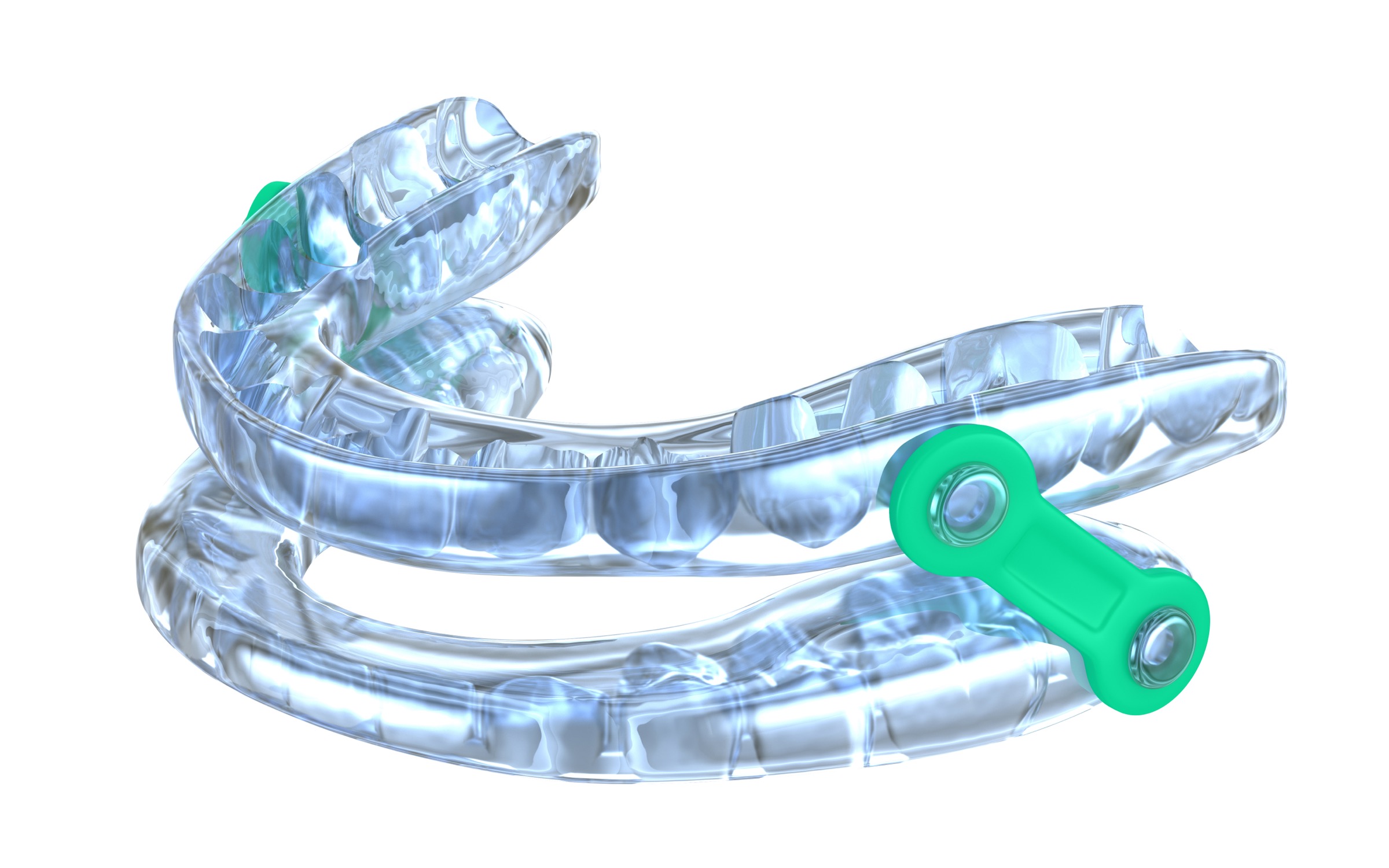
If you've been diagnosed with sleep apnea, you've likely heard about two common treatment options: CPAP therapy and oral appliance therapy. Both are designed to keep your airway open during sleep, but they work in very different ways. Understanding the differences can help you feel more confident about your next step.
While both options aim to improve airflow during sleep, they take different approaches. Understanding how each works can help you weigh comfort, effectiveness, and how it fits into your routine.
A CPAP machine delivers a steady stream of air through a mask to keep your airway open. It's considered highly effective, especially for moderate to severe sleep apnea.
An oral appliance is a custom-fit device worn like a nightguard. It repositions the jaw or tongue to prevent airway collapse and is often recommended for mild to moderate cases or for patients who struggle with CPAP.
Choosing between these options often comes down to daily comfort and consistency.
CPAP is typically more effective at reducing breathing interruptions. However, oral appliances are often easier to wear consistently, which can improve real-world results.
CPAP requires a mask, tubing, and regular upkeep. Oral appliances are small, travel-friendly, and simple to maintain.
CPAP treats all levels of sleep apnea, while oral appliances are best for mild to moderate cases.
There's no one-size-fits-all answer. The best treatment is the one you can use comfortably and consistently. A personalized dental evaluation can help you choose the right option for better sleep and long-term health. Contact Pinnacle Dental to schedule your consultation for an oral appliance.
